Eisa Salehi
Principal investigator
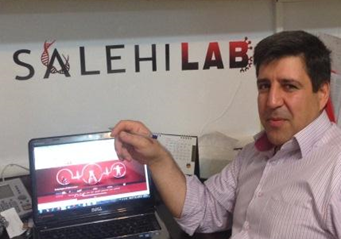
Complementary Course, Genetic Engineering, Kuopio Finland.
PhD,Immunology , Tehran University of Medical Science.
M.Sc,Immunology, Tehran University of Medical Science.
B.Sc, Biology, Shahid Beheshti University, Tehran.
Research Interests: Genetic Engineering, Diagnostic Biomarkers, T cell Engineering and Manufacturing, Auto Immune Diseases.
Behnaz Dolatshah Earaghi
Administrator
Educational background: Clinical Laboratory Sciences. Zanjan University of Medical sciences.
Sepideh Soukhtehzari
Research Associate
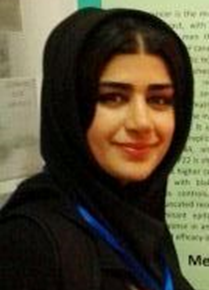
M.Sc, Medical Biotechnology, Tarbiat Modares University,Tehran
B.Sc,Molecular and cell biology-Biotechnology,Alzahra University ,Tehran.
Research interests: Design and production of recombinant diagnostic and therapeutic proteins in prokaryotic and eukaryotic hosts, recombinant mABs, protein and antibody engineering , …
Current Project: Preparations enriched by a specific protein are rarely easily obtained from natural host cells. Hence, recombinant protein production is frequently the sole applicable procedure. Recombinant antibodies are highly specific detection probes in research, diagnostics, and have emerged over the last two decades as the fastest growing class of therapeutic proteins. Antibody generation has been dramatically accelerated by in vitro selection systems, particularly phage display. An increasing variety of recombinant production systems have been developed, ranging from Gram-negative and positive bacteria, yeasts and filamentous fungi, insect cell lines, mammalian cells to transgenic plants and animals. Currently, almost all therapeutic antibodies are still produced in mammalian cell lines in order to reduce the risk of immunogenicity due to altered, non-human glycosylation patterns. However, recent developments of glycosylation-engineered yeast, insect cell lines, and transgenic plants are promising to obtain antibodies with “human-like” post-translational modifications. Furthermore, smaller antibody fragments including bispecific antibodies without any glycosylation are successfully produced in bacteria and have advanced to clinical testing. I ‘m strongly interested in producing such useful fragments in eukaryotic hosts.
Maryam Azimi
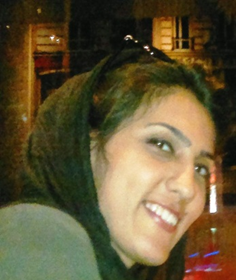
Ph.D candidate of Medical Immunology , Tehran university of Medical Science, Department of Immunology.
M.Sc Immunology, Tarbiat Modares University
B.Sc Biology, Shiraz University, Faculty of Science
Research interests: Study on cell communication rolls in therapy,
Investigation of molecular association to introduce new clinical biomarkers,
Understanding pathogenic mechanisms of neurologic disorders
Current Project: My MSc thesis research was focused on potential therapeutic applications of Arteether, a semi-synthetized derivative of artemisinin on a murine model of breast cancer. As a result, I have got some experience at an area of tumor immunology/immunotherapynamed”chemoimmunotherapy”.Chemoimmunotherapy is an approach for the treatment of cancers in which the focus is to enhance the efficacy of chemotherapeutic agents by concomitant application of compounds with immunomodulatory properties. Currently I am doing my PhD program at Department of Immunology at Tehran University of Medical Science. Nowdays I am managing to study on molecular association between microRNAs and autoimmune disease to introduce new validated biomarker for clinical application. Although I am intensively interested in developing new engineered cells as a potential therapeutic agent for neurologic disorders.
Aysouda Hossein zade
Graduate Student
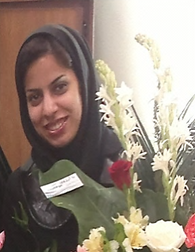
M.Sc Immunology, Shahid Sadoughi university of medical sciences,Yazd.
B.Sc,Molecular and cell biology-Biotechnology,Alzahra University ,Tehran.
Research interests: Study on General T cell therapy and specifically in autoimmune diseases, In vitro T cell induction and injection of these cells to patient can be useful way for treatment of autoimmunity.
Current Project:
Metabolism and immune system affect each other bilaterally. Nutritions not only is used as source of energy bot also can impact on important signaling pathway. These pathway determine cell fate. So if we can manipulate some signaling pathway or metabolic fuel uptake may can induce specific T cell subsets. Our project focus on mTOR signaling pathway. Using of exogenous fatty acid may suppress mTOR and induce T reg cells.
Mojgan Ghaedi
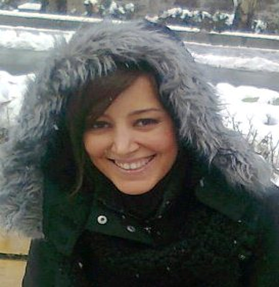
Ph.D candidate of Medical Immunology , Tehran university of Medical Science, Department of Immunology.
M.Sc Immunology, Tehran university of Medical Science, Department of Immunology.
B.Sc Laboratory Science, Shiraz University of Medicine.
Research interests: Treg manufacturing and Adoptive regulatory
T cell therapy in autoimmune diseases.
Current Project:
1. Invitro generation of polarized human Th17 Cell population by MicroRNA miR-326.
2.In-vitro Effect of different doses of TGF-Beta on differentiation of human naïve CD4+ Tcells to Th17.
3. MiR-21 transfection can differentiate human naïve T cells to regulatory T cells.
4. CpG ODN ligation of TLR-9 stimulates IFN-α and antinuclear antibody production in SLE patients.
5. Induction of systemic lupus erythematosus-like syndrome in BALB/c mice and evaluation of their peripheral T cell subpopulations.